

⏲ Reading time:
🖹 Word count:
Do you work 12 hours a day and still feel like you’re not moving forward?
You close your phone or laptop close to midnight. You’re exhausted. You’ve given everything you had today. And yet, something still doesn’t feel right.
That feeling of being stuck is there. You start wondering where you’re going wrong.
You put in more hours. More effort. More pressure.
You keep hoping that, at some point, all that sacrifice will finally “take off”.
But real progress never shows up.
If this sounds familiar, keep reading.
👉 You’re not alone.
The profile of the relentless professional (but stretched to the limit)
You’re an entrepreneur, freelancer, or founder. You’ve been doing this for years. You’re not new. You have experience, ambition, and a real hunger to grow.
You’ll probably recognise yourself here:
You work non-stop. You have a growth mindset. You’re good at what you do. Clients and colleagues trust you. You’re the one who always “sorts things out”.
And yet, you still end the day feeling like you haven’t moved anything important forward.
You go to bed tired, but your mind won’t switch off. “Why am I not moving forward if I’m giving it everything?”
That mix of physical exhaustion and mental frustration weighs heavily.
It’s like running flat out on a treadmill: you sweat, you burn out, but the scenery never changes. You complete tasks, tick boxes, clear lists — but the results you actually want don’t arrive.
That’s when doubt and guilt creep in. You start questioning yourself. And quietly, deep down, you know something is missing.
👉 You’ve done everything “right” according to the hard-work manual. So why do you still feel stuck?
The big mistake: confusing working harder with moving forward
Here’s the trap.
👉 Believing that more work equals more progress.
We were taught that the hardest worker wins. And while work ethic matters, confusing activity with progress is incredibly expensive.
👉 Being busy is not the same as being productive.
👉 Movement is not always progress.
You can fill your entire day with completed tasks and still be exactly where you started.
Productivity isn’t about doing more things. It’s about doing the right things.
Imagine rowing as hard as you can without a direction. You get tired, you burn energy… but you don’t go anywhere. More effort doesn’t compensate for poor or non-existent direction.
The Steve Jobs lesson: simplify or disappear
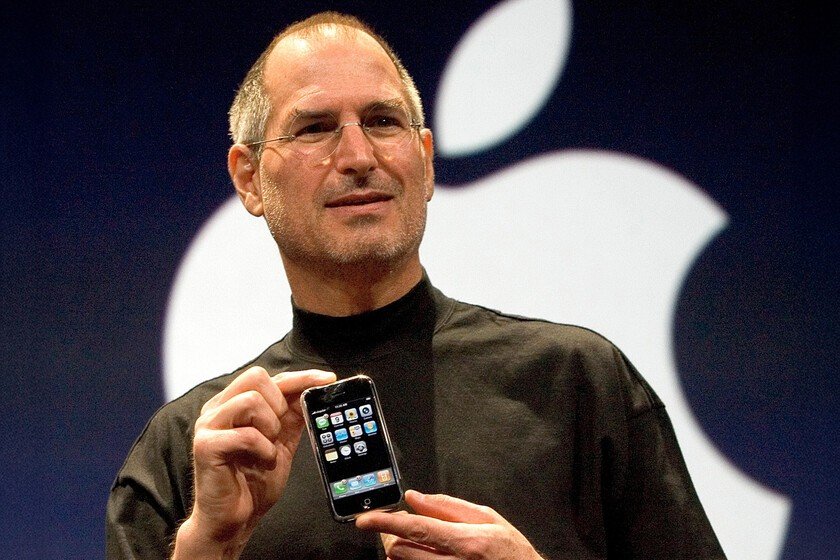
When Steve Jobs returned to Apple in 1997, the company was a mess. Billions in debt. On the edge of collapse.
Too many products. Too many priorities. Too much noise.
His first major move?
👉 Eliminate.
He drastically cut the product range and said something very clear: “We’re going to make four great products. That’s it.”
That decision wasn’t cosmetic. 👉 That decision saved Apple.
Jobs understood something fundamental: success doesn’t come from doing more, but from doing what matters with brutal clarity.
Deciding what not to do was central to his strategy. Every unnecessary “yes” came with a hidden cost: time, focus, and energy taken away from what truly mattered.
He applied the same logic in his personal life. Wearing the very similar clothes every day wasn’t about style — it was about removing trivial decisions. He protected his attention for what actually moved the needle.
👉 Prioritising isn’t giving up.
👉 Prioritising is protecting what matters.
My experience: from being busy to making real progress
For years, I was exactly that person.
A full diary. Constant meetings. Emails answered instantly. Always available.
I felt productive. The truth: I was busy, not progressing.
The turning point came when I realised something uncomfortable — the more I did, the less clarity I had.
I started changing very specific things. No theory. Real, practical changes:
1️⃣ I started the day by choosing one real priority Before opening email or WhatsApp, I defined one task that, if completed, made the day count. Everything else became secondary.
2️⃣ I stopped responding to emails and messages in real time I set two specific times a day to check email and messages. Outside those windows, my focus stopped being hijacked by notifications.
3️⃣ I introduced one question before saying “yes” “Does this move me closer to my main objective, or does it just keep me busy?” If the answer wasn’t clear, the answer was “not now”.
4️⃣ I turned repeated tasks into simple rules Instead of making the same decisions every day, I set standards: fixed timings, fixed formats, fixed responses for recurring issues. Fewer decisions, more energy.
5️⃣ I started questioning every meeting before accepting If there was no clear decision or outcome, I didn’t attend — and where possible, I delegated it.
The result was clear:
Less noise. More time. Better decisions. Real progress.
👉 I didn’t work less.
👉 I worked with better direction.
👉 The problem was never effort — it was the lack of conscious direction.
The silent enemy: automatic decisions
We make over 30,000 decisions a day. The vast majority of them unconsciously.
Every notification. Every message. Every interruption.
Each one forces a decision, whether you notice it or not.
And every decision consumes mental energy.
This is called decision fatigue.
In the morning, you decide well. By the evening, you choose whatever removes the problem fastest.
It’s not laziness. It’s cognitive exhaustion.
👉 If you spend your focus on irrelevant micro-decisions, you won’t have clarity when the important ones arrive.
👉 Small things, repeated daily, steal the big things.
Without conscious direction, everything competes for your energy
Here’s the central truth:
If you don’t decide what to focus on, everything else will decide for you.
Other people’s urgencies. Trivial tasks. Constant distractions.
Everything wants your attention. Nothing protects it.
Conscious direction isn’t a luxury. 👉 It’s an operational necessity.
When you decide what matters and what doesn’t, the game changes. You stop reacting — and start leading.
Practical exercise: 3 key questions (5 minutes)
Take a few minutes and answer honestly:
👉 What 2 or 3 truly important objectives do I want to achieve in the next 6 months?
👉 What “urgent” activity do I repeat every day that doesn’t move those objectives forward?
👉 What important decision have I been postponing because I’ve been too busy?
This isn’t theory. It’s a turning point.
To close: take the helm
If you’ve made it this far, you’ve already taken an important step.
You now know the problem wasn’t your effort — it was how you were using it.
Every well-placed “no” is a “yes” to real progress.
Refocusing your direction changes everything. You regain time. Energy. Clarity.
In the next editions, we’ll go deeper into priorities, focus, and tools to multiply impact without working longer hours.
Today, you’ve done something critical: recognising the trap and choosing to correct course.
👉 Now take the helm.
👉 Your effort, properly directed, will take you much further.
To be continued… 🚀